Research

Folding, at the scale of the proteome.
To understand complex diseases of the brain.

Protein folding is the process through which the information encoded in our genes takes shape into functional macromolecules. We study it holistically by developing new methods in mass spectrometry and structural proteomics. Using this approach, we aim to connect the basic biophysics of proteins to cell biology, ageing, and diseases of the brain.

01

Structural proteomics method development

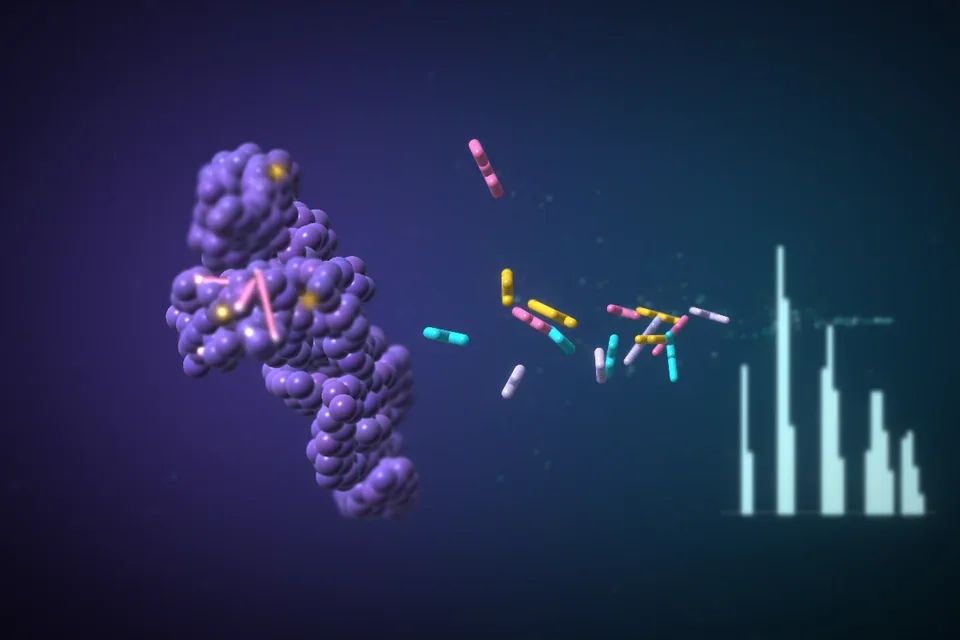
A protein crosslinked and cut by a protease, its peptide fragments streaming into a mass spectrometer

Structural proteomics is an emerging field that uses mass spectrometry to monitor protein structure globally, sensitively, and (in some cases) in vivo. We focus on advancing two such methods:

  • Limited proteolysis mass spectrometry (LiP-MS) provides a structural snapshot of entire proteomes in a single experiment. We have found it powerful for exploring protein refolding following denaturation, and how proteins respond to physical extremes like high temperature or high pressure.
  • Crosslinking mass spectrometry (XL-MS) provides more detailed structural information in the form of residue–residue contacts, and can be performed in situ and rapidly using photocrosslinkers.

Our lab develops new chemical tools, experimental workflows, and software to improve these methods and apply them to challenging systems.

LiP-MSXL-MSPhoto-crosslinkersFLiPPRDomainMapper
02

The molecular basis of ageing and cognitive decline

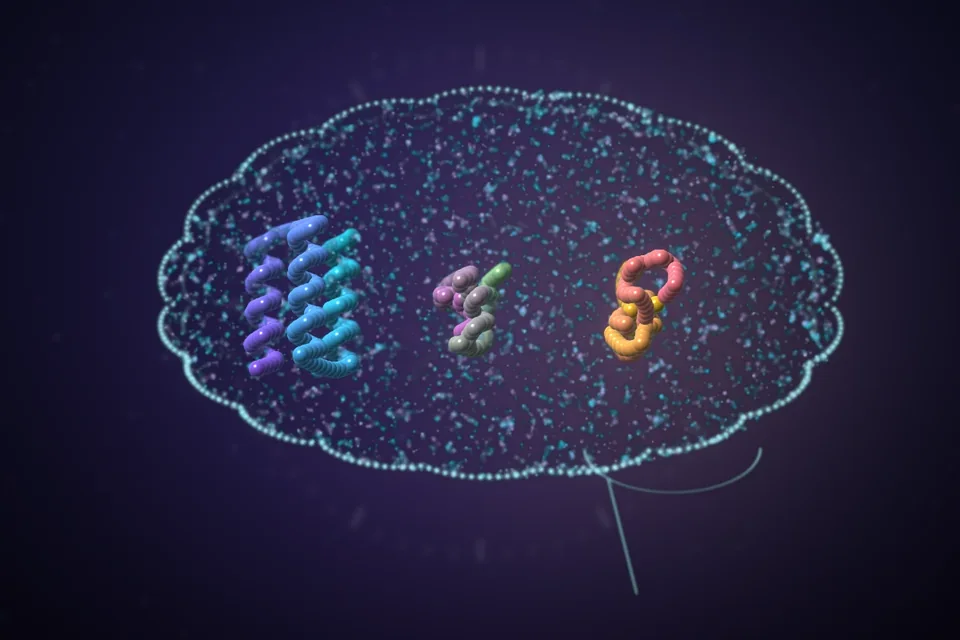
A glowing brain containing a protein that unravels from folded helices into a misfolded tangle

As organisms age, the proteostasis network that keeps proteins folded becomes less effective. We use LiP-MS and crosslinking to identify proteins whose structures change with age and with cognitive impairment — in aged rat brains, ageing yeast, and human plasma — and to understand why these proteins are especially vulnerable.

ProteostasisNeurobiologySynapse
03

Chaperone mechanisms

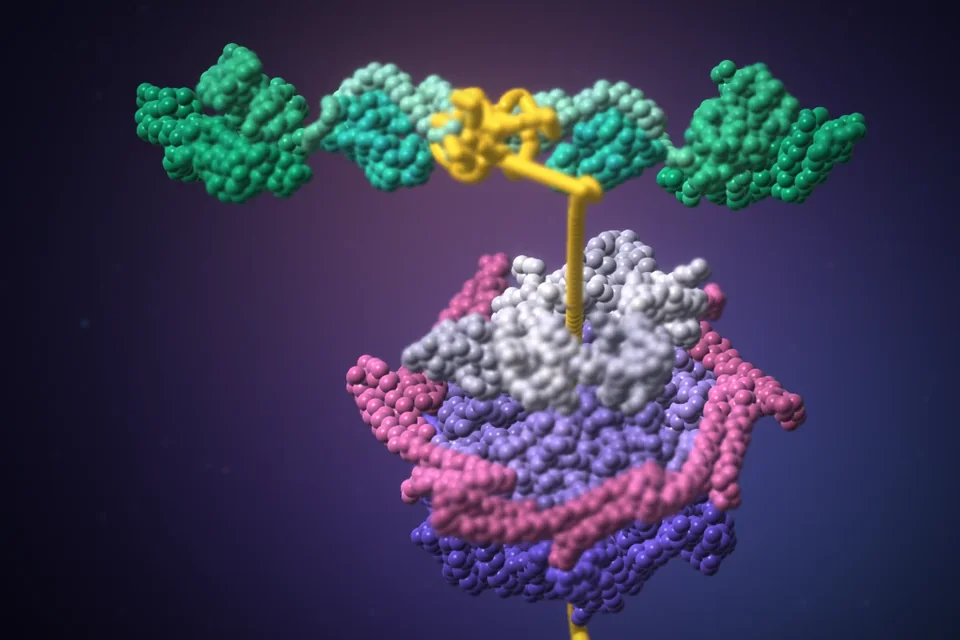
Two Hsp70 chaperones gripping a misfolded protein and feeding it into the Hsp104 hexamer, rendered from PDB structures 2KHO and 6N8T

Cells invest heavily in protein quality control. We are interested in the mechanisms of recognition, repair, and degradation by several chaperone systems — including Hsp70s, AAA+ ATPases, and the proteasome — and in how they decide which proteins to rescue and which to destroy.

Hsp70AAA+ ATPasesProteasome
04

Neurodegenerative and neuropsychiatric disease

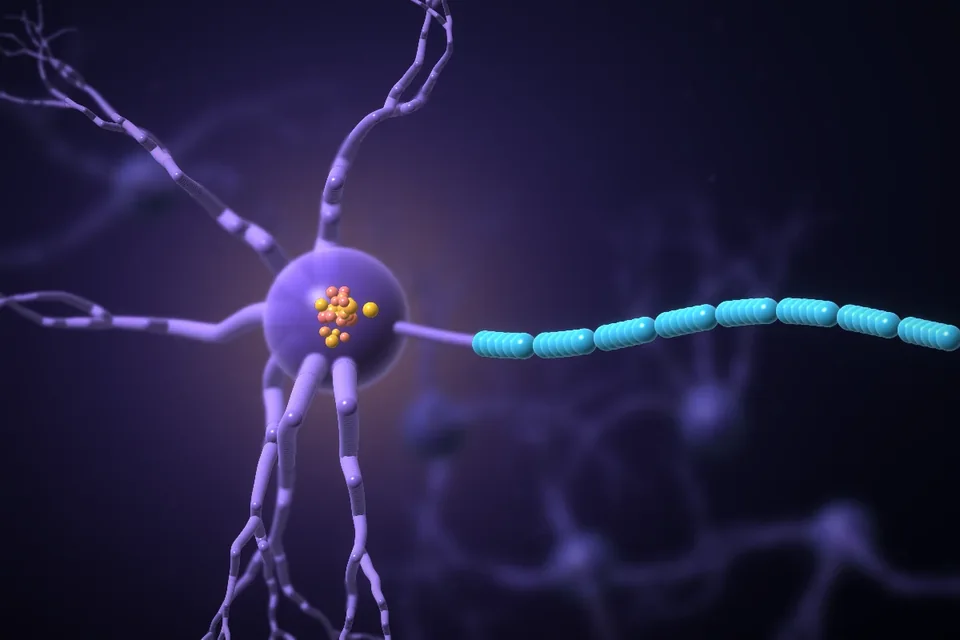
A neuron with protein aggregates in its cell body

Many diseases of the brain are, at their root, diseases of protein folding. We apply LiP-MS across the neuroproteome to find proteins that adopt aberrant structures in models of Parkinson's disease, schizophrenia, and neurodegeneration, and to connect those structural changes to the pathways that go awry — from dopamine and redox homeostasis to the condensates that form in response to stress and DNA damage.

Parkinson's diseaseSchizophreniaNeurodegeneration
05

Protein folding from the proteome-wide perspective

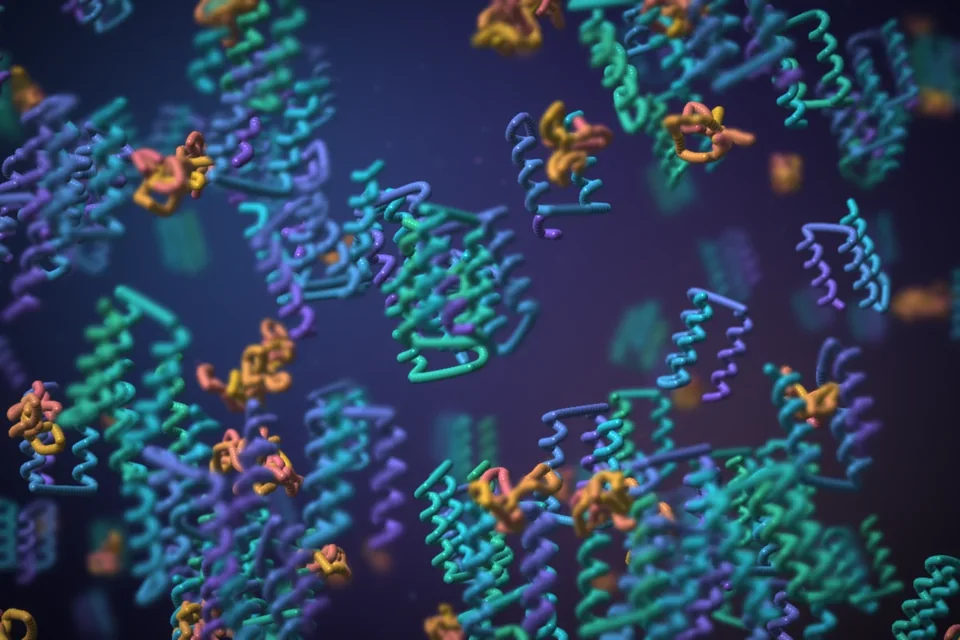
A crowded field of proteins, most folded, some misfolded

Which proteins can refold on their own after being unfolded, and which cannot? By pairing global denaturation–renaturation experiments with LiP-MS, we have found that non-refoldability is pervasive across the E. coli proteome, and we are mapping how chaperones, post-translational modifications, and misfolded states — including topologically entangled ones — shape a protein's fate.

RefoldabilityChaperonesEntanglement misfolding
06

Structure and function of biomolecular condensates

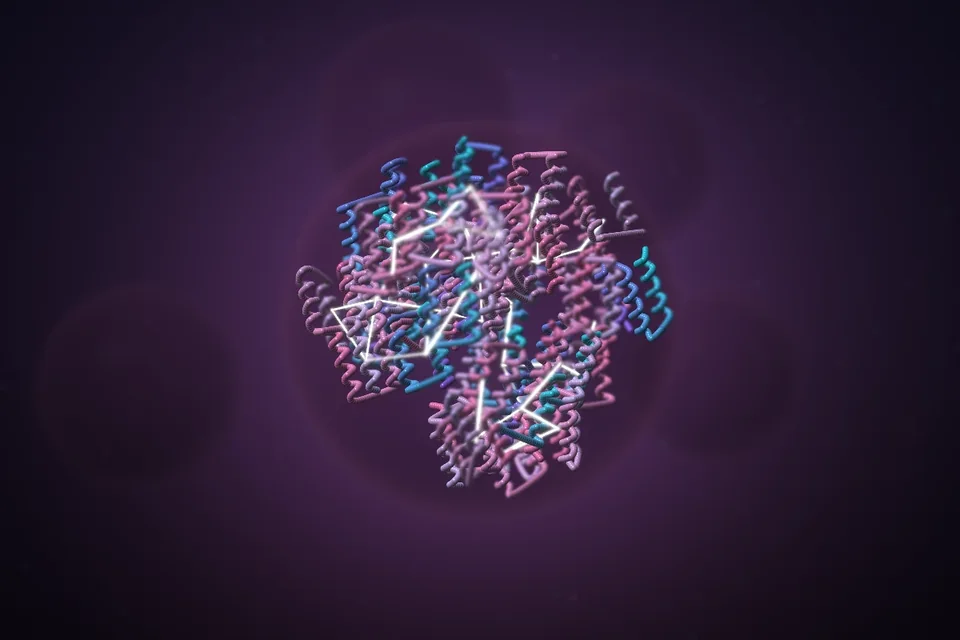
A biomolecular condensate droplet packed with crosslinked proteins

We use crosslinking mass spectrometry in conjunction with cryo-electron microscopy and super-resolution imaging to build detailed structural models of biomolecular condensates in their native cellular milieu. Using this information, we aim to better understand their biological functions.

XL-MSCryo-EMSuper-resolution imaging